Dog Won’t Eat Breakfast? When a Morning Appetite Change Matters

A dog that has always preferred eating later may have a stable routine, but a new or meaningful loss of interest in breakfast is an appetite change, not proof of fussiness. Compare it with that dog's usual pattern and contact the veterinary team rather than trying to diagnose the cause at home. Note whether later meals are eaten and whether energy, weight, mouth comfort, vomiting or diarrhoea have changed.
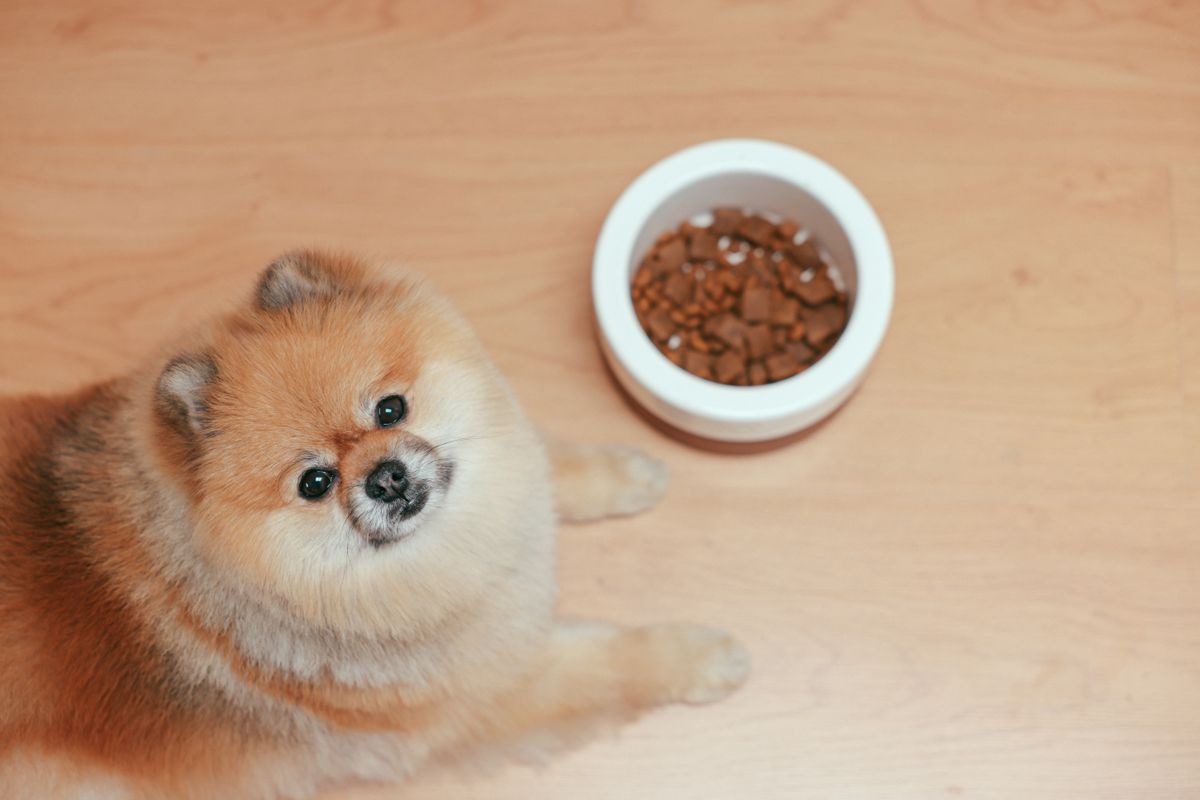
Start with the pattern, not a food fix
Usual later eating or a meaningful new change?
-
Stable pattern
The dog has long eaten a later meal normally, stays themselves and has no new signs to report. Meal timing alone does not diagnose a problem. -
New change
Breakfast refusal is unusual for this dog, or interest in food is lower across the day. Treat it as an appetite change and contact the veterinary team for advice.
What an appetite change can and cannot tell you
PDSA says a change in a dog's eating habits can sit alongside pain, dental trouble, infection, digestive illness or other health problems. That list does not identify the cause in an individual dog, and one missed breakfast cannot establish fussiness, nausea or a behavioural reason. The useful question is whether the appetite pattern is meaningfully different for this dog.
Before changing the bowl, write down what happened. This keeps useful information available for the veterinary conversation instead of turning breakfast into a sequence of food experiments.
A short factual handoff
Record the meal and the whole picture
-
Timing and later eating.
What was offered, whether any was eaten, and whether the dog ate later than usual. -
Energy and weight.
Any change from the dog's ordinary energy, body weight or behaviour is useful context to share. -
Mouth and digestive signs.
Note dribbling, mouth discomfort, vomiting or diarrhoea without using them to name the cause. -
Every extra.
Include treats, chews, table food, supplements and food used with medication, not only the breakfast bowl.
Keep food questions in their own lanes
Do not use a breakfast refusal to decide that a topper, a new feeding schedule or a food change is the answer. Once the health question has been addressed, use the next guide that matches the separate job.
Useful next questions
Choose the guide that answers the actual question
Food toppers
Use the dog-food topper guide to decide whether an optional addition has a useful job after appetite triage.
Meal frequency
Use the adult feeding-frequency guide for the separate routine-design question.
Puppies
A puppy who is not eating needs its own early-contact route. Read what to do when a puppy is not eating.
Medication
For a prescribed tablet when food is refused, use the separate guide on giving a dog a tablet; do not improvise a dose or skip the veterinary conversation.
Persistent fussiness
When the broader question remains after the health route, work through persistent fussiness beyond breakfast.
Questions owners ask about skipping breakfast
Is it normal for a dog to skip breakfast and eat later?
A dog may have a stable later-eating routine, but timing alone cannot say why. Compare the pattern with what is normal for that dog. A new or meaningful appetite change belongs in a veterinary conversation.
Should I add a topper if my dog will not eat breakfast?
Do not make a topper the first explanation for a changed appetite. Keep the normal food plan visible and contact the veterinary team for advice. The separate topper guide can help only when the health question has been addressed.
What should I tell the vet about a dog refusing breakfast?
Say what was offered and eaten, when the pattern changed, whether the dog ate later, and whether energy, weight, mouth comfort, dribbling, vomiting or diarrhoea have changed. Include treats, chews, table food, supplements and food used with medication.
When is a dog not eating an emergency?
Get immediate veterinary help for blood in vomit, continuous unproductive retching especially with a bloated abdomen, or collapse with unresponsiveness, breathing difficulty, very pale gums, severe pain or inability to move, or a swollen abdomen.
Does a dog refusing breakfast mean they are just fussy?
No. Appetite alone cannot establish fussiness or identify a cause. A new or meaningful change in eating habits needs veterinary advice rather than an assumption about behaviour.
Sources and scope: The appetite-change and observation guidance follows PDSA's reduced-appetite guidance. The emergency routes are from the two PDSA pages linked above. This is general information, not a diagnosis, feeding prescription or substitute for veterinary advice.
picked for this page
Where to go next
More from this guide · 11 min read
Dog Food Allergy Symptoms: What They Mean — and What They Don’t
Food allergies in dogs can cause itching, ear trouble and gut signs, but symptoms alone cannot diagnose them. Compare causes and follow the reliable next step.
Read the guide
