What to Feed a Dog With Diarrhoea—and When to Call the Vet

Food advice is only appropriate for mild diarrhoea lasting less than 24 hours in an otherwise-well adult dog. Keep fresh water available. For that narrow case, PDSA names small, frequent portions of plain white rice with boiled, skinless, boneless chicken, or a veterinary tinned food made for an upset stomach. It does not identify or treat the cause.
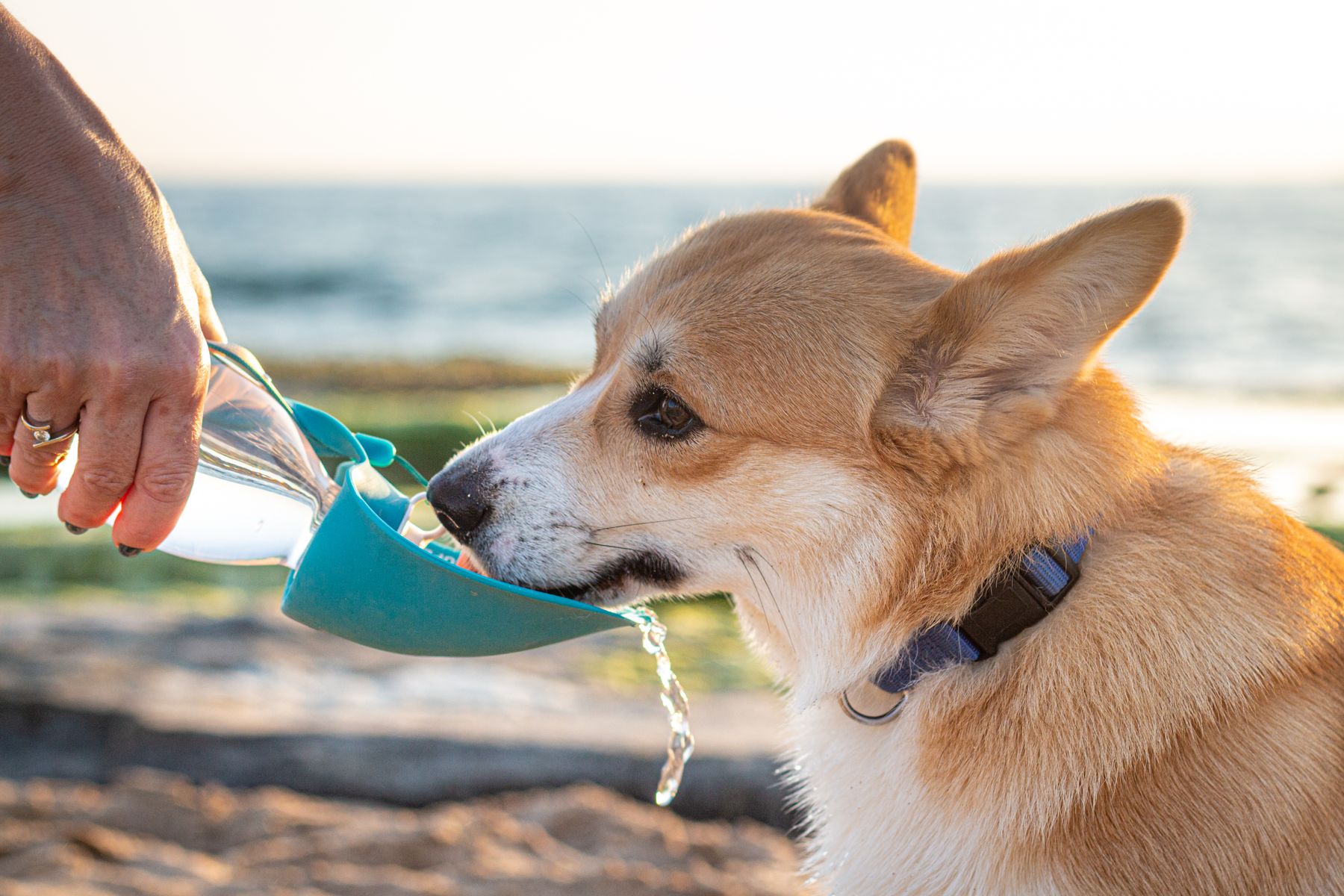
Do not let the food question hide the care question
There are two different jobs here
Prompt veterinary advice
Choose this route for any red flag above, a dog outside the narrow mild-case boundary, or uncertainty about how the dog seems. Do not wait for a food change to work.
Short supportive food route
This route is only for an otherwise-well adult with mild diarrhoea for less than 24 hours. It is supportive care, not a diagnosis, cure or replacement for a veterinary plan.
What can I feed an otherwise-well adult dog with mild diarrhoea?
For that limited case only, PDSA names small, frequent portions of plain white rice with boiled, skinless, boneless chicken, or a veterinary tinned food made for an upset stomach. Keep fresh water available. This page deliberately gives no universal fast, portion, calorie target or recovery-time promise.
Chicken and rice are not a good workaround for a dog whose veterinary or diagnostic plan excludes chicken. Do not replace, dilute or improvise around a prescribed diet; follow the prescribing vet's exact plan instead. A homemade bland diet is not a complete long-term diet.
Keep the boundary visible
What short bland feeding can and cannot do
| It can be a limited supportive route when | It cannot do these jobs |
|---|---|
| You have an otherwise-well adult with mild diarrhoea for less than 24 hours, fresh water is available and none of the red flags apply. | It cannot diagnose why stool changed, prove that a food caused it, treat the cause, or make it safe to wait when a dog is unwell. |
| It uses the exact PDSA food options: small, frequent plain rice with boiled skinless, boneless chicken, or an upset-stomach veterinary tinned food. | It is not a long-term complete diet, an allergy-trial instruction, a medication plan or a substitute for the dog's veterinary plan. |
What should I keep an eye on?
Use observation to describe the episode clearly to your veterinary practice, not to diagnose it at home. The red flags are the decision point: contact a vet promptly if diarrhoea persists beyond 24 hours, becomes severe or constant watery diarrhoea, or any of the warning signs appear.
Useful notes, not a home diagnosis
Three things to record for a vet call
-
Timing and change.
Note when it began and whether diarrhoea is persisting beyond the narrow 24-hour home-care boundary. -
Other signs.
Note blood or mucus, severe or constant watery diarrhoea, reduced appetite, vomiting, lethargy, abdominal pain, or whether your dog seems unwell. -
Your dog's context.
Say if your dog is very young or old, has an underlying condition, takes medication or is on a prescribed or diagnostic diet.
When a different guide is more useful
One episode of diarrhoea does not settle a food-allergy, parasite, food-transition or stool-interpretation question. These next steps keep those decisions with the guides that own them.
Questions owners ask about feeding a dog with diarrhoea
What food can I give a dog with diarrhoea?
For an otherwise-well adult dog with mild diarrhoea for less than 24 hours, PDSA names small, frequent portions of plain white rice with boiled skinless, boneless chicken, or a veterinary tinned food made for an upset stomach. It is short supportive care, not a cure or diagnosis.
Should I give my dog chicken and rice if they have diarrhoea?
Only in the narrow mild-case route above, and not if chicken is excluded by an allergy or diagnostic plan. Do not use it to replace, dilute or improvise around a prescribed diet; follow the prescribing vet's plan.
How long can I manage diarrhoea at home?
Home care applies only to mild diarrhoea for less than 24 hours in an otherwise-well adult dog. Contact a vet promptly if it lasts longer or any red flag appears. This guide does not set a guaranteed recovery time.
Should I keep water available?
Yes. Keep fresh water available. This guide does not give a forced volume or universal intake target; contact a vet promptly if your dog is unwell or any red flag applies.
Does diarrhoea mean my dog has a food allergy?
Not necessarily. One episode does not diagnose a food allergy or identify a cause. If digestive signs recur, use the food-allergy guide and contact your veterinary practice for advice about the individual dog.
Source and scope: The mild-case boundary, red flags, fresh-water advice and the limited bland-food options follow PDSA's dog-diarrhoea guidance. This is general information, not a diagnosis, universal fast, portion or recovery-time prescription, medication plan or substitute for veterinary advice.
picked for this page
Where to go next
More from this guide · 11 min read
Dog Food Allergy Symptoms: What They Mean — and What They Don’t
Food allergies in dogs can cause itching, ear trouble and gut signs, but symptoms alone cannot diagnose them. Compare causes and follow the reliable next step.
Read the guide