My Dog Won't Eat: A Practical Fussy-Eater Guide
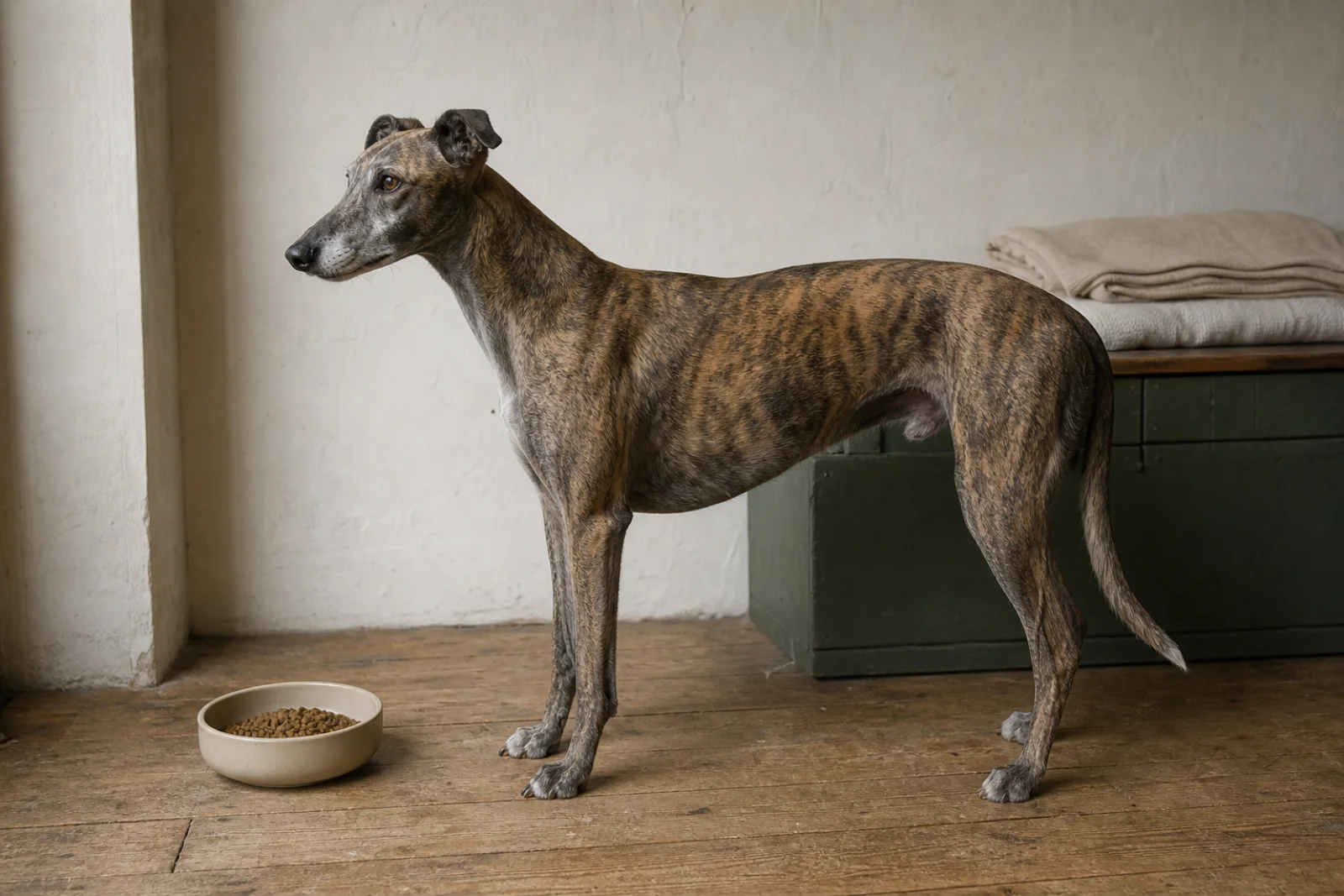
Do not start by buying another bag. A sudden appetite change, refusing all food, or not eating alongside another symptom needs veterinary advice before food experiments. If an otherwise well adult dog still eats some foods, check freshness, mouth comfort, treats, bowl and routine, then change one taste or texture at a time.
Eating treats but leaving dinner is a useful clue that your dog is being selective. It is not proof that they are well. Pain, nausea and illness can change which foods a dog will accept, so start with the safety split below rather than trying to out-stubborn them.
Stop reading and ring
Continuous retching, especially with a swollen or painful belly; collapse; trouble breathing; pale or blue gums; severe pain; or suspected poisoning or a swallowed object.
Do not run a food test
Nothing eaten for 24 hours, or reduced appetite with vomiting, diarrhoea, marked tiredness, dehydration, weight loss, mouth pain, or a sudden change that persists or worsens.
Only if otherwise well
An adult dog is drinking normally, has no warning signs and has missed part or all of one meal, rather than refusing every food.
Puppies, older dogs, dogs with an existing condition, and dogs recovering from surgery or starting a medicine need earlier veterinary advice. Do not wait for the 24-hour ceiling.
PDSA treats continuous retching with bloat as a life-threatening emergency. Its appetite guidance says a dog that has eaten nothing for more than 24 hours should be seen very quickly. The Merck Veterinary Manual independently puts failure to eat or drink for 24 hours in its immediate-care column. These are ceilings, not targets to wait for when a dog is vulnerable or has other signs.
Is this fussiness or reduced appetite?
Reduced appetite means eating less than your dog's normal pattern. It is a sign, not a diagnosis. Selective eating means accepting some foods while refusing others. That can reflect preference or feeding routine, but it does not rule out dental pain, nausea or illness.
Look at the pattern, not just the bowl. A dog that suddenly stops chewing hard pieces, eats on one side, drops food, dribbles or has bad breath may have a sore mouth. A dog that is quieter, sick, loose, unusually thirsty, losing weight or behaving differently has given you more than a food-choice problem. If a prescribed diet is being refused, speak to the vet who prescribed it rather than replacing or disguising it yourself.
Five checks before changing dog food
-
01 · Food
Freshness and storage
Check the date, seal and smell. Keep dry food cool and dry, and refrigerate opened wet food as the label directs.
-
02 · Mouth
How they chew
Watch without forcing the mouth open. One-sided chewing, dropped pieces, dribbling or a new dislike of hard food deserves a vet check.
-
03 · Extras
Treats and second dinners
Count chews, training rewards, scraps and anything another person may be feeding. A dog can be full before the bowl arrives.
-
04 · Place
Bowl and surroundings
Try a clean bowl in a calm, familiar spot away from another pet's pressure. Note any recent change of bowl or feeding place.
-
05 · Pattern
What else changed?
Record when it started, what the dog will eat, water intake, poo, sickness, energy, weight, medication, stress and routine. That short history is useful if you need your vet.
This joined-up check follows the WSAVA Nutritional Assessment Guidelines, which assess the animal, the diet, treats and table food, feeding method, frequency, location and environment together. Guessing from one meal leaves most of that information out.
A calm next-meal reset
- Offer the normal measured meal in a quiet place with fresh water available.
- Remove competing extras for that meal. Do not replace dinner with a run of treats or table food.
- Make one small change only. You might warm wet food slightly or add a little warm water to dry food to lift the aroma. Check the temperature before serving.
- Keep the mealtime finite. Lift the bowl after a short, calm opportunity and store or discard the food safely. This is a routine, not permission to wait out a dog who seems unwell.
- Write down what happened. Note how much was eaten and whether any other sign appeared.
Do not force-feed, hold a dog's mouth shut, or syringe food unless your veterinary team has specifically taught you to do so. Do not add rich, salty or unsafe human foods to tempt them. If the simple reset fails and the dog is approaching the veterinary boundary, the next step is a phone call, not a more elaborate topper.
Which food change fits the problem?
| What you notice | One sensible change | Stop point |
|---|---|---|
| A previously accepted bag is suddenly ignored | Open a fresh, correctly stored pack of the same food before changing the whole recipe. | If appetite is reduced across foods or another sign appears, call your vet. |
| Hard pieces are dropped or chewed on one side | Book a mouth and dental check. A softer meal may be easier temporarily only if your vet agrees. | Do not label pain as fussiness or keep testing textures. |
| Wet food is accepted but dry food is refused | Try a small amount of a complete wet food, or soften the current dry food with warm water. | A new or persistent texture change can still reflect mouth pain or nausea. |
| Meals work in a quiet place | Keep the same food and repeat the calmer location and routine. | Avoid changing the recipe when the environment was the useful change. |
| An otherwise well adult consistently dislikes the current food | Choose another complete adult food with a different taste, piece size or texture. | Move gradually using the existing seven-day switching guide. |
| A veterinary diet is refused | Ask the prescribing vet about palatability, format and safe alternatives. | Do not stop, dilute or replace the prescribed diet on general internet advice. |
Wet is not automatically better than dry, and a stronger smell is not proof of better nutrition. Whatever format you choose, check that it is labelled complete for your dog's life stage. A complete food is designed to provide all required nutrients when fed as directed for that stated stage.
Ring now
- Continuous retching or a swollen, painful belly
- Collapse, breathing trouble, pale or blue gums, extreme weakness or severe pain
- Repeated vomiting with water not staying down
- Possible poisoning or a swallowed object
Call today or book a check
- No food for 24 hours, sooner for a vulnerable dog
- Vomiting, diarrhoea, marked lethargy, dehydration, weight loss or mouth pain
- A sudden change that persists or worsens
- Repeated selective eating with weight or body-condition loss
Tell us what else has changed if you need the existing non-diagnostic Dog Health Hub route.
Where Some Grub fits, honestly
The limited acceptance evidence is encouraging, not a promise. In a 48-hour controlled trial, 20 adult Beagles accepted five extruded diets containing black soldier fly larvae meal or oil. That study tested those five diets, not Some Grub, and it does not show that every dog will like insect protein or that it fixes poor appetite (Freel, McComb & Koutsos, 2021).
If you choose a different complete food, introduce it gradually rather than swapping the whole bowl overnight. The point is a controlled change you can assess, not proving that our food is the answer.
Questions owners actually ask
Why will my dog eat treats but not meals?
They may prefer the taste or texture of the treat, or they may already be full from extras. It still does not prove they are well. Check for mouth pain and other changes, count every treat and scrap, then use the safety boundary above if the pattern is new or persistent.
What if my dog will not eat dry food?
Check that the food is fresh and watch how your dog chews. A preference for wet food can be ordinary, but a sudden refusal of hard pieces can point to mouth pain. If the dog is otherwise well, try warm water on the current food or a small amount of complete wet food and change only one thing.
Should I hand-feed a fussy dog?
Hand-feeding one meal can show that the bowl or feeding place matters, but needing it repeatedly is information, not a long-term solution. If the change is new, your dog will eat only from your hand, or appetite is falling, ask your vet before turning hand-feeding into the routine.
Are dog-food toppers a good idea?
A small, consistent topper can make a meal more appealing, but escalating from one extra to the next can unbalance the diet and teach everyone nothing about the cause. Count toppers within the dog's extras, avoid unsafe human food, and ask the prescribing vet before adding anything to a veterinary diet.
If the dog is otherwise well and you are choosing an optional product rather than investigating appetite loss, use our guide to checking whether a food topper fits.
How long can I wait if my dog will not eat?
Do not use survival time as a waiting target. PDSA and Merck both set 24 hours without food as a veterinary boundary. Call sooner for a puppy, older dog, dog with an existing condition, or any dog with vomiting, diarrhoea, lethargy, dehydration, pain, weight loss or a worsening sudden change.
The short version
A fussy eater is still a dog whose appetite deserves attention. First separate an emergency, a same-day veterinary problem and an otherwise well adult who can have one controlled next-meal check. Then inspect freshness, mouth comfort, extras, bowl and routine. If a food change is justified, change one taste or texture, choose a complete food and switch gradually. Never let a feeding battle hide pain or illness.
If your otherwise well dog is eating normally but you are unsure whether the portion or extras are affecting their condition, our healthy-weight guide shows what to check before changing the food.
Sources used for the safety boundaries
picked for this page
Where to go next

More from this guide · 11 min read
Dog Food Allergy Symptoms: What They Mean — and What They Don’t
Food allergies in dogs can cause itching, ear trouble and gut signs, but symptoms alone cannot diagnose them. Compare causes and follow the reliable next step.
Read the guide