Fussy Puppy Not Eating? What to Check and When to Call the Vet

Contact your veterinary team when a puppy stops eating or loses interest in food. A puppy should not go for an undefined extended period without food, and a change in appetite can sit alongside pain or illness. Note what was eaten, when the change began, energy, drinking, vomiting, diarrhoea and any mouth discomfort. This guide cannot diagnose the cause or set one safe number of missed meals or hours.
Start with the health route
Three useful details for the first call
-
What changed?
Say whether the puppy skipped food, ate less than normal or approached the bowl but could not manage it. -
What else is happening?
Note energy, drinking, vomiting, diarrhoea, dribbling, weight change or signs that the mouth is uncomfortable. -
What is the normal plan?
Have the main food, treats, chews, table food, supplements and medication food to hand.
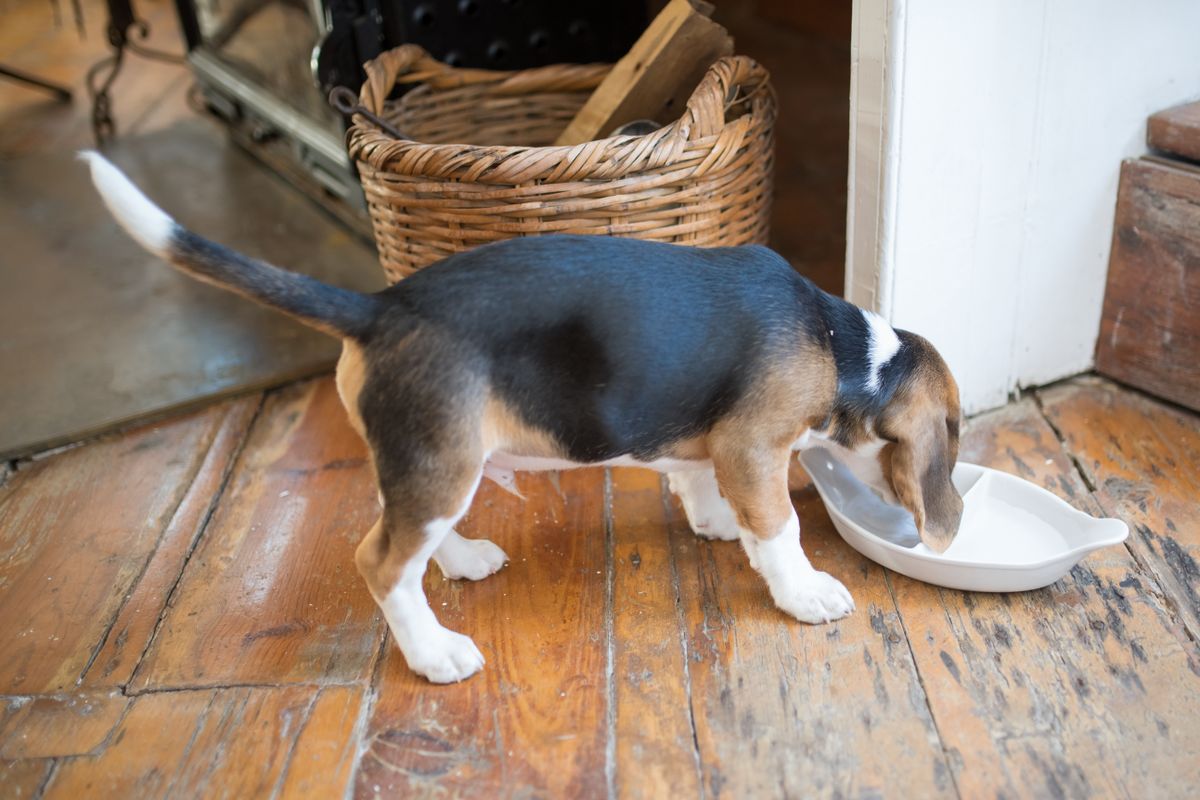
Why a puppy appetite change is not a food experiment
A missed meal does not establish fussiness or explain the cause. PDSA says a meaningful change in a dog's appetite can accompany problems including pain, dental trouble, infection, digestive illness or other illness. The useful first step is veterinary advice, not trying to identify the cause from one sign or making the bowl more exciting.
VCA's puppy guidance is more specific: contact the veterinary team when a puppy is not eating or loses interest in food. It does not set one safe fasting time for every puppy, so this page does not either. Read the current VCA growing-puppy feeding guidance alongside advice from the practice that knows your puppy.
What to write down before you call
Keep the record factual. The pattern can help the veterinary conversation, but it cannot confirm what is wrong. PDSA's reduced-appetite guidance makes the observation set useful because it includes energy, weight change, mouth discomfort, dribbling, vomiting and diarrhoea.
A short handoff, not a symptom score
Record the meal and the whole picture
-
Food and timing.
What was offered, what was eaten, and when the change first became clear. -
Drinking and energy.
Anything different from the puppy's usual pattern is useful context. -
Digestive or mouth signs.
Vomiting, diarrhoea, dribbling or discomfort when trying to eat are observations to share, not labels to apply. -
Every extra.
Include treats, chews, table food, supplements and food used with medication, not only the main bowl.
Keep the usual feeding plan visible
Do not try a string of new foods, toppers or catch-up meals while you are deciding what to do. Take the normal pack guide, life stage and the complete daily intake to the veterinary conversation. A feeding guide is a starting point, not an individual diagnosis or a reason to compensate for a missed meal without advice.
Protect the useful information
Keep these questions with their established guides
Food-stage change
Once the appetite concern is addressed, use our guide on when puppy food should change for the separate growth-stage decision.
Whole-day extras
Use a whole-day treat count to make every extra visible. It does not set a puppy allowance.
Growth or condition
For an ongoing condition question, use the established body-condition guide with veterinary input.
Mouth comfort
When mouth discomfort is observed, routine dental care is a separate topic. Do not attempt a home diagnosis.
Questions owners ask about a puppy not eating
How long can a puppy go without eating?
There is no single safe number of hours or missed meals for every puppy. Contact the veterinary team when a puppy is not eating or loses interest in food, rather than using an online waiting rule.
Is my puppy just being fussy with food?
Appetite alone cannot establish fussiness or explain the cause. Record the change and contact the veterinary team for advice.
What should I tell the vet if my puppy will not eat?
Say what was offered and eaten, when the change began, and whether energy, drinking, vomiting, diarrhoea, dribbling or mouth comfort have changed. Include treats, chews, table food, supplements and medication food.
Should I change my puppy's food if they refuse a meal?
Do not start repeated food changes as a first response to an appetite change. Keep the normal plan visible and ask the veterinary team what is appropriate for your puppy.
When is a puppy not eating an emergency?
Get immediate veterinary help for collapse with unresponsiveness, breathing difficulty, very pale gums, severe pain or inability to move, a swollen abdomen, blood in vomit, or continuous unproductive retching especially with a bloated abdomen.
Sources and scope: The appetite-change and observation guidance follows PDSA's reduced-appetite guidance. Puppy-specific early contact and the no-universal-wait boundary follow VCA's growing-puppy guidance. The emergency routes are from the two PDSA pages linked above. This is general information, not a diagnosis, feeding prescription or substitute for veterinary advice.
picked for this page
Where to go next
More from this guide · 11 min read
Dog Food Allergy Symptoms: What They Mean — and What They Don’t
Food allergies in dogs can cause itching, ear trouble and gut signs, but symptoms alone cannot diagnose them. Compare causes and follow the reliable next step.
Read the guide
