Recurring Ear Infections in Dogs: Could Food Allergies Be the Cause?
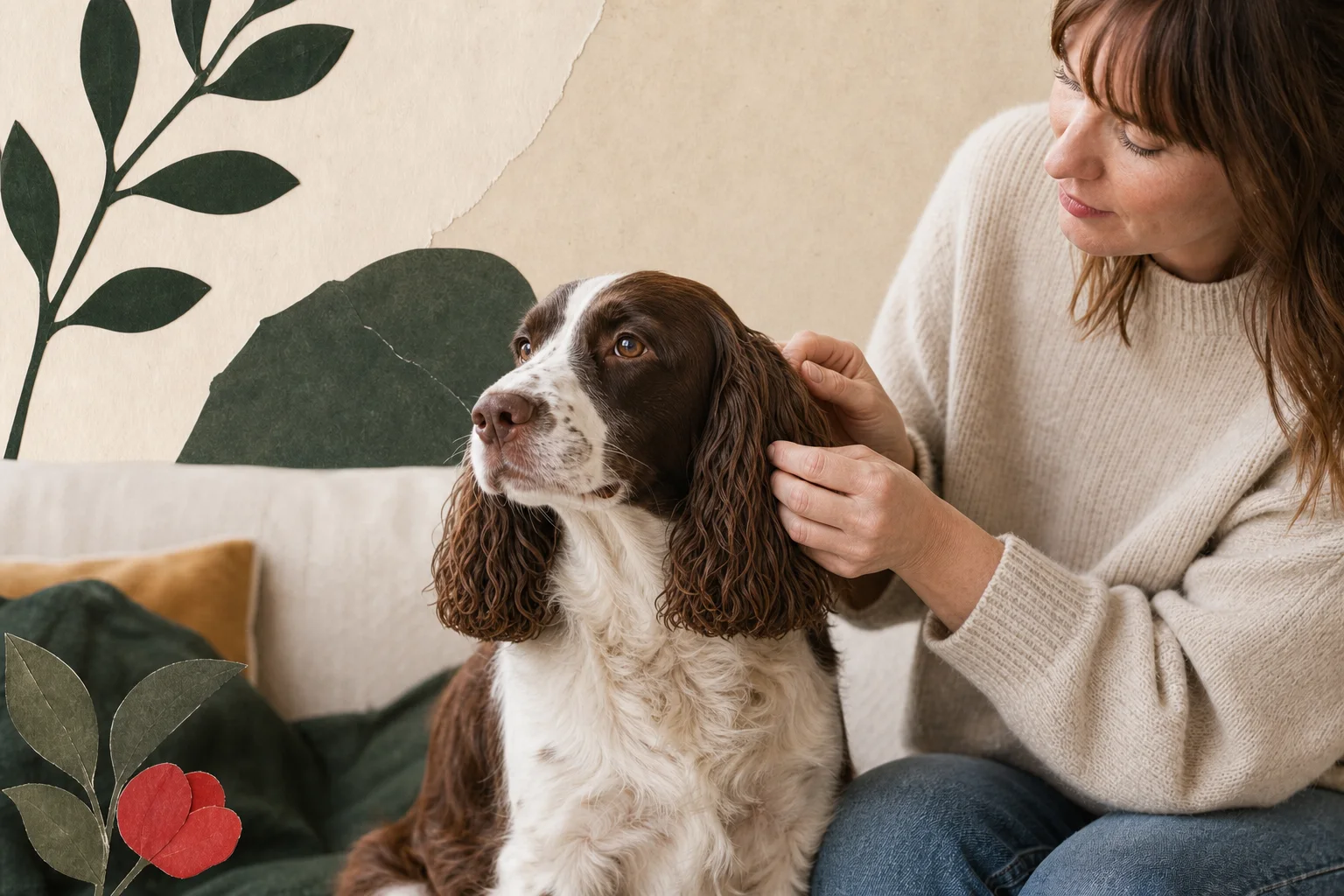
If your dog keeps getting ear infections - the head shaking, the scratching at the ears, the bad smell coming from down the side of their head - you are probably frustrated. You have been to the vet, the antibiotics have worked, and then a few weeks later it comes back. Recurring ear infections are one of the most common signs that a dog may have a food allergy or intolerance. This article explains why, and what to do about it.
If skin itching sits alongside the ear trouble, our UK guide to choosing dog food for itchy skin compares the main food options and explains when changing food is unlikely to help.
the evidence
What you'll learn: Why food allergies cause ear infections in dogs. How to tell whether your dog's ear infections might be food-related. What other causes to consider. How vets investigate recurring ear infections. What to do while you wait for answers.
Recurring Ear Infections Are Often a Sign of Food Allergies in Dogs
Vets see a lot of ear infections in dogs. Most are straightforward - a bit of yeast or bacteria, treated with the right drops, resolved. But when ear infections keep coming back, again and again, that is when vets start looking for an underlying cause. Food allergies are near the top of that list.
Research and clinical experience suggest that recurring ear infections - particularly when they affect both ears and are accompanied by skin symptoms elsewhere on the body - are frequently associated with food allergies in dogs. The ears are an extension of the skin lining the ear canal, and the same immune inflammatory response that causes itchy skin elsewhere can inflame the ear canal, creating the conditions for infection.
This does not mean every recurring ear infection is caused by food. It means that if your dog gets ear infections repeatedly, and especially if they also scratch a lot, have red skin, or lick their paws, it is worth asking your vet whether food could be a factor.
Why Food Allergies Affect the Ears
The ear canal in a dog is essentially a tube of skin. It is warm, moist, and dark - a comfortable environment for bacteria and yeast. In a healthy dog, the skin barrier keeps these organisms in check. When a dog has a food allergy, the immune system's inflammatory response weakens the skin barrier in the ear canal, just as it does everywhere else on the body.
This inflammation produces several effects:
The ear canal lining swells, narrowing the passage and reducing airflow. This makes the canal even warmer and more moist - ideal for yeast and bacterial overgrowth.
Excess wax production increases, providing food for yeast and creating a smelly discharge.
The dog scratches and shakes the ear, further damaging the skin and pushing infection deeper into the canal.
The result is the familiar pattern: redness, smell, discharge, head shaking, pain when the ear is touched. Left untreated, chronic ear infections can cause the ear canal to thicken and narrow permanently, a condition called hyperplasia that may require surgery.
Signs That Your Dog's Ear Infections Might Be Food-Related
Not all ear infections point to food allergies. These clues suggest food might be involved:
Both ears are affected. Food allergy-related inflammation usually affects both ears simultaneously. A single ear infection is less likely to indicate an underlying allergy.
The ears are waxy and itchy, not just painful. Allergic ear inflammation typically produces a brown or yellow wax build-up and intense itching. Pain alone without itching suggests a different problem.
Your dog has skin symptoms elsewhere. Red skin, hot spots, excessive paw licking, or recurrent skin infections alongside ear problems all point toward an allergic basis.
The infections keep returning despite treatment. One or two ear infections a year is within normal range for many dogs. Three or more in a year, especially if they always respond to the same treatment and always come back, is a pattern worth investigating.
No seasonal pattern. Environmental allergies - to pollen, grass, or dust mites - tend to flare seasonally. Food allergies tend to cause year-round symptoms.
the evidence
Note: These patterns help your vet narrow down the likely cause. They do not confirm it. Your vet is the right person to interpret these signs in the context of your dog's full history.
Food Is Not the Only Cause of Ear Infections
It is important to be honest about this: ear infections have many causes, and food allergy is only one of them.
Yeast can be involved in ear disease, but smell, discharge or appearance cannot identify it. Malassezia can normally live on canine skin and is often secondary to an underlying problem rather than the primary cause itself.
For the wider skin, paw and ear pattern, read how possible yeast-related signs are checked and why smell alone cannot diagnose the cause.
Bacterial infections can occur on their own or alongside yeast. The type of bacteria involved helps your vet determine whether this is a primary infection or secondary to something else.
Ear mites cause intense itching and dark, coffee-ground-like discharge. They are especially common in puppies and in dogs who have been around other infected dogs. Mites can usually be seen under a microscope during a vet visit.
Foreign bodies - a grass seed, a piece of twig - can lodge in the ear canal and cause a sudden, intensely painful infection in one ear only.
Hypothyroidism - low thyroid hormone - can cause recurring skin and ear problems. Your vet may recommend a blood test if other signs of thyroid disease are present.
Water in the ear after swimming can disrupt the ear canal's natural environment and trigger infection.
Anatomical factors - narrow ear canals in breeds like French Bulldogs, Cocker Spaniels, or Basset Hounds - make some dogs more prone to ear problems regardless of cause.
Your vet will work through these possibilities systematically. This is why a proper veterinary examination - not just a guess based on the symptoms - is important.
How Vets Investigate Recurring Ear Infections
When ear infections keep coming back, your vet will typically take the following approach:
Cytology - taking a sample of the discharge and looking at it under a microscope. This tells your vet whether yeast, bacteria, or both are present and in what numbers.
Culture and sensitivity - in chronic or severe cases, your vet may culture the discharge to identify the exact organism and determine which antibiotic or antifungal will work best.
Food allergy investigation - if the history and symptoms suggest food as a possible cause, your vet will recommend an elimination diet trial. This is the same process described in our article on The Elimination Diet for Dogs - at least 8 weeks on a novel protein or hydrolyzed protein diet, followed by rechallenge to identify specific triggers.
Rule out environmental allergies - your vet may suggest skin or blood testing for environmental allergens if the history suggests this is a possibility. Many dogs with food allergies also have environmental allergies, which can make the investigation more complex.
What to Do While You Wait for a Diagnosis
If your dog has an active ear infection right now:
Do not put anything in the ear without your vet's guidance. Using the wrong treatment can make things worse. Some over-the-counter ear cleaners are not appropriate for certain types of infection.
Keep the ear dry. Avoid swimming and be careful when bathing your dog.
Attend the follow-up appointment. Many owners stop treatment once the ear looks better. This is the most common reason infections come back - the treatment course was not completed.
Do not self-diagnose a food allergy. It can be tempting to try a diet change based on what you have read online. But without a proper elimination diet trial supervised by your vet, it is difficult to know whether the diet actually helped or the infection resolved on its own for unrelated reasons.
60-second check
Ears, skin and coat: is food behind it?
Six quick questions to separate food from fleas, pollen and everything else.
We'll email you the 8-week elimination diet guide and a printable symptom tracker. No spam, unsubscribe whenever.
Frequently Asked Questions
Can food allergies really cause ear infections in dogs?
Yes. Food allergies cause inflammation throughout the skin, including the ear canal. This inflammation disrupts the ear's natural environment and allows yeast and bacteria to overgrow. Recurring ear infections - especially bilateral infections that keep coming back - are a recognized sign of food allergies in dogs.
My dog has had one ear infection. Should I be worried about food allergies?
One ear infection is not usually a sign of an underlying food allergy. A single episode, even if unpleasant, is within normal range for many dogs. Food allergy becomes a more likely consideration when ear infections recur three or more times in a year, or when they are accompanied by skin symptoms elsewhere.
What food ingredients most commonly cause ear infections?
The same ingredients that cause skin allergies elsewhere on the body: chicken, beef, dairy, and egg are the most common culprits. If your vet confirms that food is likely involved, the elimination diet process will identify which ingredient is responsible.
My vet said to change the diet. How long before I see an improvement in the ears?
Ear infections themselves need to be treated directly with the appropriate medication. The dietary change addresses the underlying cause. You may still need treatment for individual ear infections while the diet takes effect. Full improvement on a new diet typically takes about 8 weeks.
Are some dog breeds more prone to food-related ear infections?
Any dog can develop food allergies. Some breeds appear more predisposed to food allergies generally - including Labrador Retrievers, Golden Retrievers, German Shepherds, and West Highland White Terriers - and these breeds may present with recurring ear infections as a primary sign.
Can I just use a hypoallergenic food from the pet shop?
Not all foods labelled hypoallergenic have been through the same testing and quality control as veterinary prescription diets. The term is not regulated. If your vet recommends a specific diet for your dog, that prescription diet is the most reliable option.
the short version
- Recurring ear infections are a recognized sign of food allergies in dogs
- The ears are an extension of the skin - the same immune inflammation that causes itchy skin can inflame the ear canal
- Both ears affected, year-round symptoms, and accompanying skin signs all point toward food as a possible cause
- Ear infections have many causes - your vet will rule out other factors before concluding food is involved
- The only reliable way to identify a food trigger is an 8-to-12-week elimination diet trial under veterinary supervision
- Individual ear infections still need direct treatment - dietary change alone will not resolve an active infection
the evidence
This article is here to help you understand what your vet has told you. It is not a substitute for professional veterinary advice. If your dog has an ear infection - particularly a recurring one - please speak to your vet about the appropriate investigation and treatment.
Last updated: April 2026
the food behind the guide
One novel protein.
None of the usual suspects.
Some Grub is a cold-pressed, hypoallergenic dog food built around insect protein - a protein most dogs have never met, which is the whole point of a food trial.
See the food →picked for this page
Where to go next

More on investigating · 11 min read
Dog Food Allergy Symptoms: What They Mean — and What They Don’t
Food allergies in dogs can cause itching, ear trouble and gut signs, but symptoms alone cannot diagnose them. Compare causes and follow the reliable next step.
Read the guide
