Can Dogs Have Dairy? Lactose Intolerance, Allergies, and Alternatives
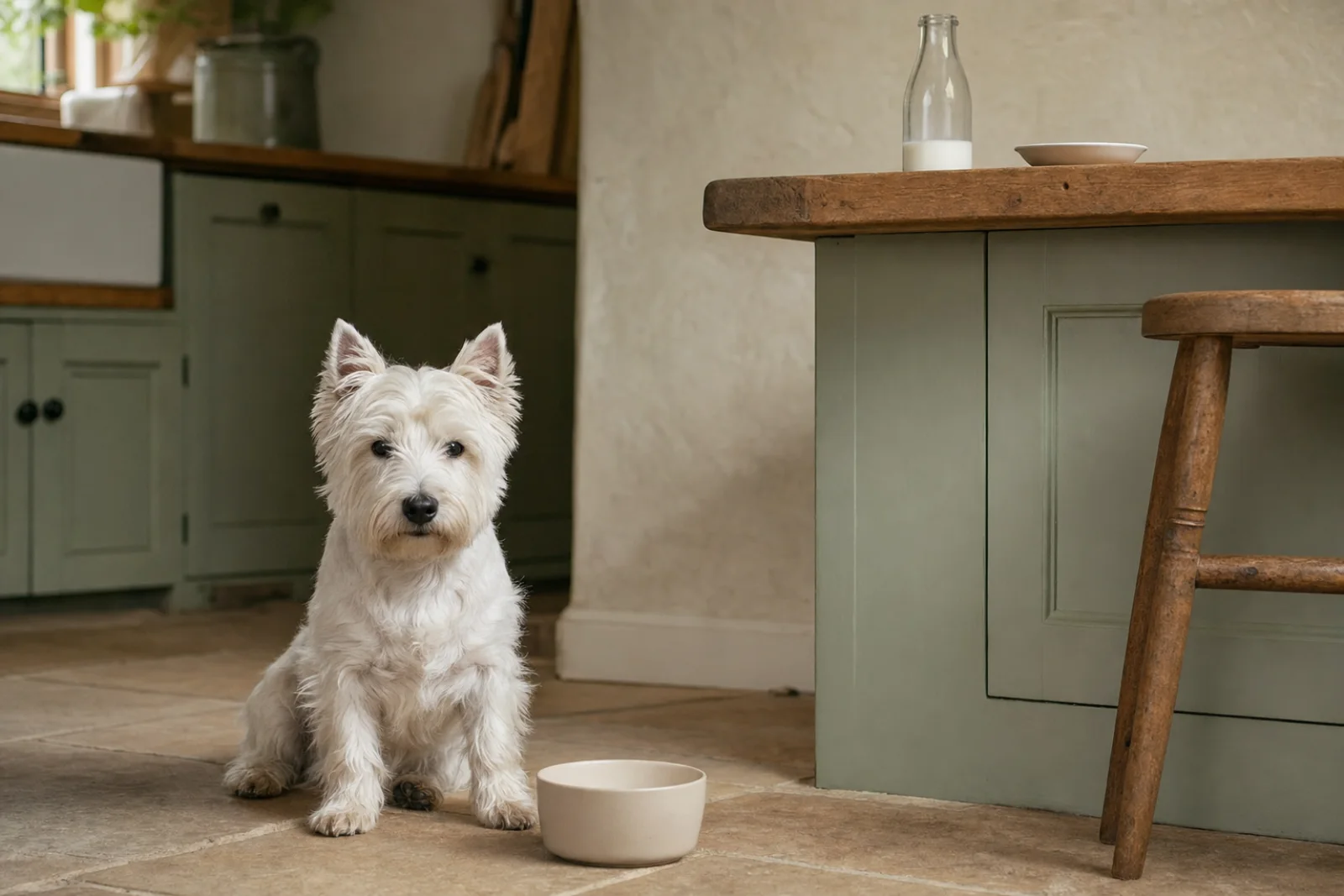
If your dog gets into the cat bowl, shares your ice cream, or sneaks a slice of cheese, you may have noticed some unpleasant aftermath. Vomiting, diarrhea, gas, or stomach upset after dairy is one of the most common reactions I see in practice. Many adult dogs are lactose intolerant, meaning they lack the enzyme needed to digest lactose, the sugar in milk. This is not a disease. It is the normal state for most adult mammals, including humans and dogs. Puppies produce lactase to digest their mother's milk, but after weaning, lactase production declines in most individuals. If your dog shows digestive signs within a few hours of eating dairy, dairy intolerance is a likely cause.
Key Takeaways
- Adult dogs are naturally lactose intolerant due to declining lactase enzyme production after weaning
- Dairy intolerance and dairy allergy are different conditions - one affects digestion, the other involves the immune system
- Signs of lactose intolerance are primarily digestive; signs of dairy allergy are primarily skin-related
- Some fermented dairy products like yogurt and kefir are lower in lactose and may be better tolerated
- If signs persist or are severe, consult your veterinarian to rule out other conditions
Understanding the Difference: Dairy Allergy vs Dairy Intolerance
It is important to distinguish between dairy intolerance and dairy allergy, because they involve different body systems and require different management approaches.
Dairy intolerance is a digestive issue. The problem is lactose, the sugar found in milk and dairy products. Dogs who are lactose intolerant lack sufficient lactase enzyme in their small intestine. Without lactase, lactose cannot be broken down into absorbable sugars. Instead, it passes intact into the large intestine, where bacteria ferment it. This fermentation produces gas and draws water into the intestine, causing bloating, diarrhea, and discomfort. The reaction is never life-threatening, though it is uncomfortable for the dog.
Dairy allergy is an immune response. The dog reacts to milk proteins, such as casein or whey, not to lactose. When a dog with a dairy allergy consumes milk protein, the immune system identifies it as a threat and launches a response. This can cause skin itching, ear infections, hot spots, hives, and other allergic symptoms. In some cases, there can be both a digestive and immune response, but the primary mechanism differs.
Understanding whether your dog has an intolerance or an allergy matters for treatment. Removing dairy may resolve an intolerance, but a true allergy may require a more comprehensive elimination diet and veterinary oversight.
Signs and Symptoms
The signs your dog shows depend on whether the issue is intolerance or allergy.
Signs of Dairy Intolerance (Digestive)
- Diarrhea within 4 to 12 hours of consuming dairy
- Vomiting
- Gas and bloating
- Stomach rumbling or discomfort
- Loss of appetite
- Occasionally, constipation
Signs of Dairy Allergy (Immune)
- Itchy skin, especially around the face, paws, and ears
- Recurrent ear infections
- Hot spots or skin lesions
- Hives
- Excessive licking of paws or skin
- Chronic skin inflammation
- Sometimes digestive signs alongside skin signs
If your dog shows primarily digestive upset after dairy, intolerance is likely. If you notice chronic skin problems or ear issues that coincide with dairy consumption, an allergic response may be involved. Your veterinarian can help confirm which condition is present through elimination protocols and testing.
Comparison: Dairy Allergy vs Dairy Intolerance vs Lactose Intolerance
| Feature | Dairy Allergy | Dairy Intolerance | Lactose Intolerance |
|---|---|---|---|
| Primary system affected | Immune system | Digestive system | Digestive system |
| Cause | Reaction to milk proteins | Reaction to lactose sugar | Lack of lactase enzyme |
| Common signs | Skin itching, ear infections, hot spots | Diarrhea, vomiting, gas, bloating | Diarrhea, gas, bloating after milk products |
| Timing of reaction | 30 minutes to 24 hours | 4 to 12 hours | 4 to 12 hours |
| Severity | Can range from mild to severe | Uncomfortable but rarely serious | Uncomfortable but rarely serious |
| Diagnostic approach | Food elimination trial, allergy testing | Response to lactose-free diet | Response to lactase enzyme supplementation |
| Treatment | Strict avoidance of dairy, possibly immunotherapy | Reduce or avoid high-lactose dairy | Use lactase enzyme, choose low-lactose dairy |
Which Dairy Products Contain Lactose
All mammal milks contain lactose. This includes cow milk, goat milk, and sheep milk. The concentration varies only slightly between species. When these milks are processed into dairy products, lactose content changes based on how the product is made.
High Lactose Products
- Regular cow milk
- Goat milk (raw or processed)
- Ice cream
- Cream cheese
- Soft cheeses like ricotta and cottage cheese
- Ice cream
Lower Lactose Dairy Products
- Hard cheeses like cheddar, swiss, and parmesan (the ageing process reduces lactose)
- Yogurt (especially plain, unsweetened varieties with live cultures)
- Kefir
- Lactose-free milk (treated to break down lactose)
- Butter (contains minimal lactose)
Fermented dairy products like yogurt and kefir contain bacteria that produce lactase during fermentation. This makes them easier to digest for many lactose-intolerant dogs. However, individual tolerance varies. Even lower-lactose options can cause signs in sensitive dogs.
Lactose-Free Alternatives for Dogs
If you want to give your dog dairy flavour or texture without the lactose, several options exist.
For treats, the same label-reading rule applies: choose treats for sensitive dogs with a protein and ingredient list that fit your dog's own history.
Lactose-Free Commercial Milks
Lactose-free cow milk is available at most grocery stores. The lactose has been pre-digested through enzyme treatment, making it safe for intolerant dogs. Always check that the product contains no added sweeteners or flavours that could harm dogs.
Plant-Based Milks
Unsweetened coconut milk, oat milk, or almond milk can be used as occasional treats. Avoid any products with added xylitol, which is toxic to dogs. Check labels carefully.
Bone Broth
Bone broth provides richness and flavor without dairy. It is generally well-tolerated and offers the added benefit of joint-supporting nutrients.
Commercial Dog Treats
Some dog treats are formulated to be gentle on sensitive stomachs. Look for products labelled lactose-free or designed for sensitive digestive systems.
Yogurt and Kefir in Small Amounts
Plain yogurt with live cultures or plain kefir may be tolerated by some lactose-intolerant dogs. Start with a small amount and monitor for signs. Choose unsweetened, unflavored products only.
60-second check
Could it be a food allergy?
Six quick questions about what you're seeing. No right answers, just patterns.
We'll email you the 8-week elimination diet guide and a printable symptom tracker. No spam, unsubscribe whenever.
Frequently Asked Questions
Can puppies drink their mother's milk?
Yes. Puppies produce lactase to digest their mother's milk. It is only after weaning that most dogs begin to produce less lactase. This is a normal developmental pattern.
Is lactose intolerance in dogs the same as in humans?
Yes. Adult lactose intolerance is the normal state for most adult mammals. Humans, dogs, cats, and many other species experience reduced lactase activity after weaning. It is not a disease but an expected biological condition.
Can I give my dog lactase enzyme supplements?
Yes. Over-the-counter lactase enzyme products designed for humans are available. Some dog owners use them to help their pets tolerate small amounts of dairy. Discuss appropriate dosing with your veterinarian.
My dog ate dairy and has diarrhea. What should I do?
Withhold food for 12 to 24 hours to let the digestive system settle, then offer a bland diet like boiled chicken and rice. Ensure access to water. If signs persist beyond 48 hours, worsen, or your dog becomes lethargic, contact your veterinarian.
How is dairy allergy diagnosed in dogs?
A veterinarian will typically recommend a food elimination trial lasting at least 8 weeks. During this time, all dairy sources are removed from the diet. If signs improve, dairy is reintroduced to confirm the reaction. Allergy blood tests or skin testing may also be used.
Will a small amount of cheese hurt my dog?
Hard cheeses are lower in lactose and are less likely to cause problems in small amounts. However, every dog is different. Some lactose-intolerant dogs can handle small quantities of aged cheese without signs. Others will react to even a bite. When in doubt, avoid.

the food behind the guide
One novel protein.
None of the usual suspects.
Some Grub is a cold-pressed, hypoallergenic dog food built around insect protein - a protein most dogs have never met, which is the whole point of a food trial.
See the food →This article is for informational purposes only and does not replace professional veterinary advice. If your dog shows signs of digestive upset, skin problems, or any health concern, consult your veterinarian. Every dog is different, and individual dietary needs vary.
Last updated: April 5, 2026
picked for this page
Where to go next

A useful next step · 13 min read
Probiotics for Dogs with Food Sensitivities: Do They Help?
The gut-skin link is real but the evidence is narrower than the marketing suggests. Which strains have support, and what a realistic result looks like.
Read the guide