Novel Protein Dog Food With Grain: Does Grain-Free Matter?

the short version
- Yes. A novel-protein dog food can contain grain. Novel means the relevant protein is new to your individual dog; grain-free is a separate ingredient exclusion.
- A grain-free label does not prove a food is hypoallergenic, and a novel protein is not proof that a dog cannot react.
- For a diagnostic food trial, follow the exact veterinary plan for protein, carbohydrate, treats and every extra rather than choosing by a front-of-pack phrase.
- Check the full ingredient list and the complete/life-stage statement before deciding whether a food fits the job you need it to do.
A novel-protein dog food can contain grain. Novel describes whether the protein is new to your individual dog; grain-free describes a separate ingredient exclusion. One word does not answer the other question.
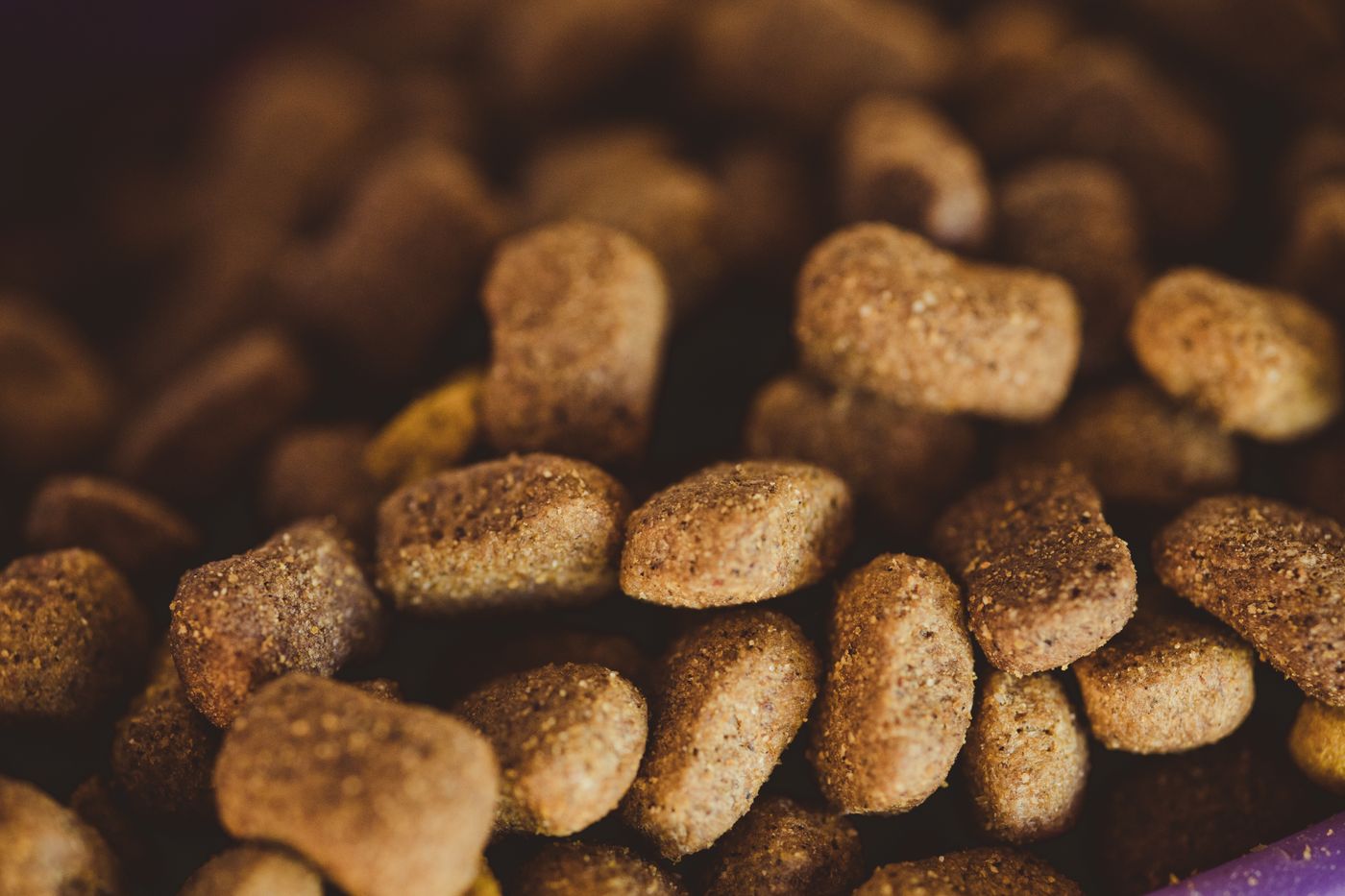
If you are choosing an everyday food, this distinction stops an easy mistake: treating grain-free as a synonym for novel, or treating either word as a medical verdict. If your vet has set a diagnostic food trial, the exact permitted protein, carbohydrate, treats and extras come from that plan. This guide explains the label decision without replacing it.
Ask two separate questions
Is the protein novel for this dog?
It means the relevant protein has not previously been fed to this individual dog. It does not mean the food is grain-free, hypoallergenic or proof that the dog cannot react.
Is the recipe grain-free?
It means the recipe excludes grains. It does not mean its protein is new to this dog or that it fits a diagnostic food trial.
Is the food complete for the stated life stage?
It means the food is intended to provide a daily ration for the stated species and life stage when fed as directed. It does not mean it is right for every dog or veterinary plan.
The veterinary principle behind a novel-protein trial is food history, not novelty as a marketing category. A protein is useful only if the dog has not already eaten it. Mueller and Unterer's review describes an elimination diet using protein and carbohydrate sources not previously fed as the diagnostic approach (Mueller and Unterer, 2018).
Grain can sit alongside that choice. A recipe containing a protein that is new to the dog and a familiar grain is still novel-protein in the relevant sense. A grain-free recipe built around a protein the dog has eaten repeatedly is not made novel by removing grain.
Decode the label in the right order
-
1
Start with the food history
List proteins, treats, chews, toppers and flavoured medicines the dog has already had. A protein can be novel for one dog and familiar for another.
-
2
Read the whole ingredient list
Identify the named protein and every carbohydrate source. Do not let a grain-free badge hide a familiar protein, or let a grain ingredient hide a genuinely new protein.
-
3
Check the food's role
Look for the complete or complementary statement and the stated life stage. FEDIAF defines complete food by its ability to provide a daily ration for that stated context when fed as directed (FEDIAF, 2025).
-
4
Keep the trial boundary intact
If this is a veterinary food trial, use the precise plan. Do not add unplanned treats, chews, table food or flavourings because the main food looks right.
This order keeps two useful choices from being muddled together. Grain exclusion may matter when a veterinary plan says it does. It is not a shortcut for establishing protein novelty, and protein novelty is not a promise of a diagnosis or outcome.
What to check beyond the front of the bag
Protein source
Is the named protein genuinely new to this dog, based on the whole food history?
Grain and carbohydrate sources
Are the ingredients consistent with the actual plan, rather than simply matching a grain-free preference?
Complete and life stage
Does the label state that the food is complete for the species and life stage you need?
Extras
Do treats, chews, toppers and food used for medication introduce ingredients outside a trial plan?
FEDIAF's complete-food definition is useful but narrow. It tells you the intended nutritional role of the food, not whether a particular recipe is medically suitable, whether its protein is novel for your dog or whether it should replace a prescribed diet (FEDIAF, 2025).
For a fuller explanation of the food-history question, read our guide to whether a protein is genuinely novel. If the live question is grain-free and allergies, use the separate guide on whether grain-free food is better for allergies. Those are related questions, but neither replaces a precise elimination-diet plan.
When grain exclusion actually matters
Grain exclusion can be part of an individual plan, but it is not the definition of a novel-protein diet. Where the plan is diagnostic, follow the ingredients specified by the veterinary team. That may mean one new protein and one chosen carbohydrate source, whether that source is grain or not.
ring your vet if
Do not use a label decoder to start, alter or challenge a prescribed diet. If a dog is on a diagnostic food trial, the trial's value depends on following the exact agreed ingredients and avoiding unplanned extras.
If you are not doing a diagnostic trial, the same label habit is still worthwhile: decide what job the food needs to do, then check every ingredient and the food's stated nutritional role. A grain-free badge is information about an exclusion. It is not a quality score or a health conclusion.
A clear next step if you are considering insect protein
Some Grub makes dog food, so this is a disclosure rather than a verdict. Our dry food is grain-free and uses insect as its sole animal protein. That only makes it a novel-protein option when insect is genuinely new to your individual dog. You can inspect the current ingredient and product details alongside the same checklist above; it is not a replacement for a veterinary trial or a guarantee that the recipe suits every dog.
Frequently asked questions
Can novel-protein dog food contain rice or oats?
Yes. Novel refers to whether the relevant protein is new to the individual dog. A grain ingredient is a separate part of the recipe, so its presence does not automatically make the protein familiar.
Does novel-protein dog food need to be grain-free?
No. Grain-free and novel protein describe different things. A food can be both, either one, or neither. For a diagnostic trial, use the ingredients specified in the veterinary plan rather than a general label rule.
Is grain-free food automatically hypoallergenic?
No. Grain-free only describes an exclusion. It does not prove that the food has a novel protein for a particular dog, that it contains no other relevant ingredients or that a dog cannot react to it.
What does complete dog food mean on a label?
Complete food is intended to provide a daily ration for the stated species and life stage when fed as directed. It does not decide whether the food is suitable for every individual dog or every medical plan.
Can treats spoil a novel-protein food trial?
They can introduce ingredients outside the agreed plan. For a diagnostic trial, follow the veterinary instructions for treats, chews, toppers and food used to give medication as well as for the main meal.
Keep reading
- Novel protein dog food: the food-history question
- Is grain-free dog food better for allergies?
- How to read a dog-food label
- Choosing hypoallergenic dog food by the job it needs to do
This guide is general information. It does not diagnose food allergy, prescribe an elimination diet or replace veterinary advice.
picked for this page
Where to go next

More from this guide · 11 min read
Dog Food Allergy Symptoms: What They Mean — and What They Don’t
Food allergies in dogs can cause itching, ear trouble and gut signs, but symptoms alone cannot diagnose them. Compare causes and follow the reliable next step.
Read the guide
